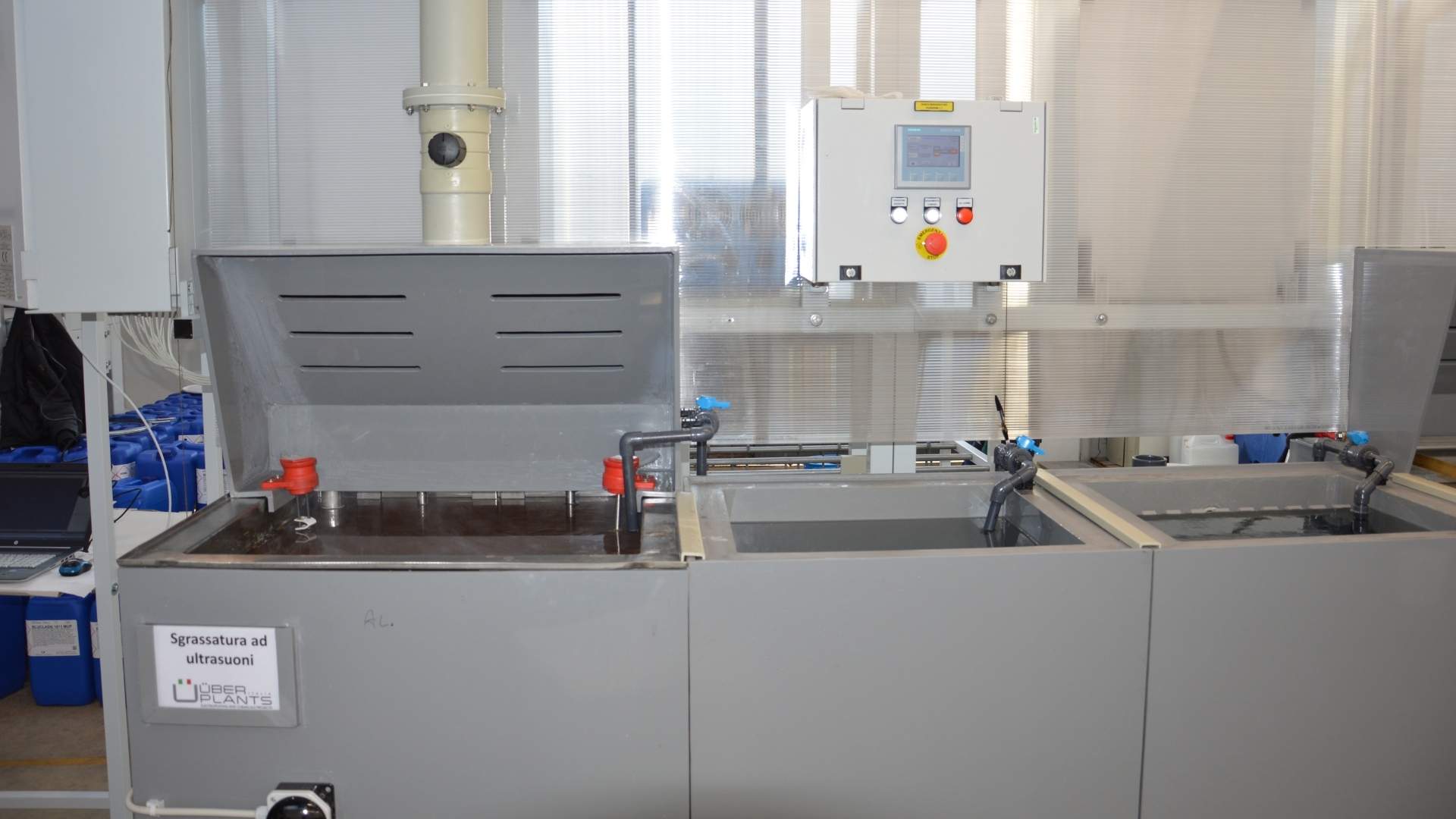
The nickel-free process uses white bronze instead of nickel and is increasingly gaining popularity in the plating of items that may come into contact with the skin.
The bronzing process is an electrochemical process by which, by applying a potential difference, an object is covered with a layer of metal alloy composed mainly of copper and tin (and possibly zinc).
The bronze that is deposited on the object is present in the galvanic bath and, depending on the proportions of the metals, can take on colors ranging from yellow (yellow bronze) to mirrored white (white bronze), the latter very similar to the appearance of nickel or silver.
Before the bronze alloy is deposited, the substrate must be prepared through a specific chemical and electrochemical cleaning process to ensure perfect adhesion of the coating.
Bronzing not only serves to give the object aesthetic characteristics, but is also essential as a hypoallergenic solution (nickel free), while offering:
- Corrosion resistance: Effectively protects less noble metals.
- Diffusion barrier: Prevents the migration of metals from the substrate to the surface layers (such as gold).
- Hypoallergenic: Complies with regulations for objects in prolonged contact with the skin.